Now Loading

What the River Taught Me About Revision

From the hush of a first snowfall to the restlessness of a windy March afternoon, the weather outside quietly drafts the stories we write inside.
Nature-Inspired Writing  |  September 28, 2026

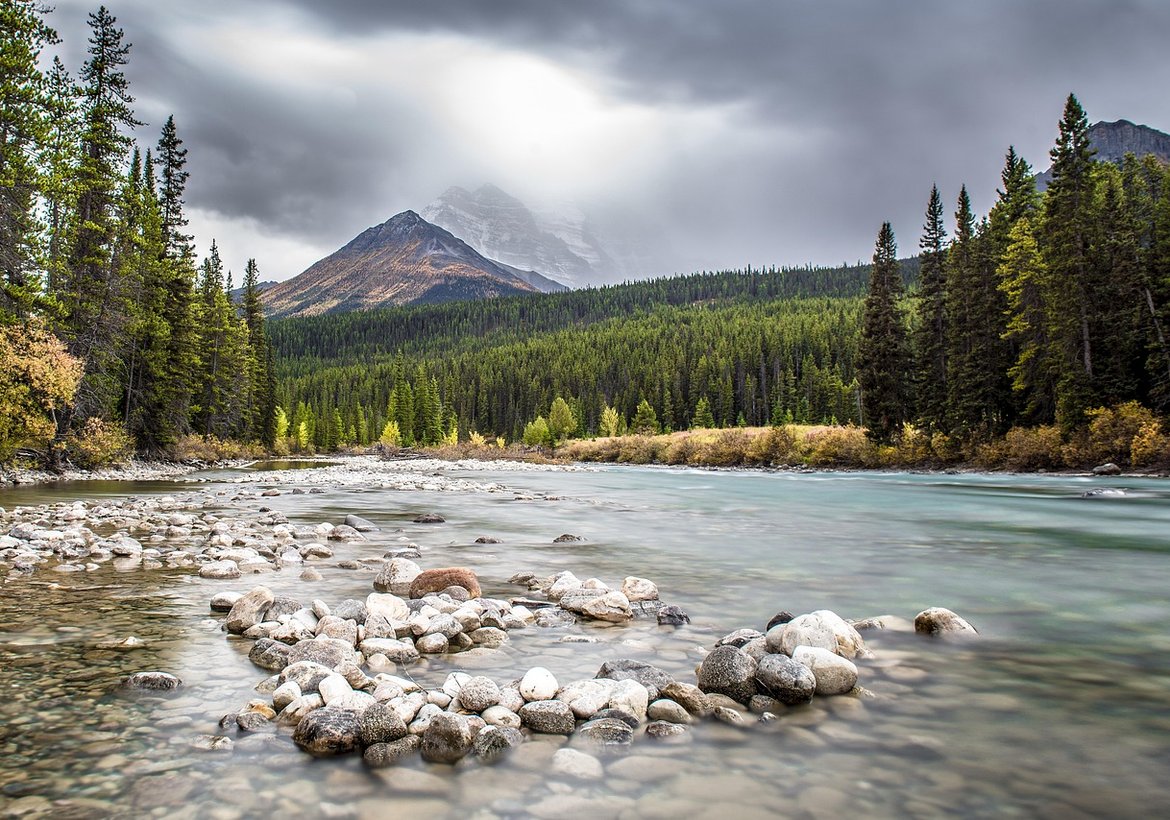
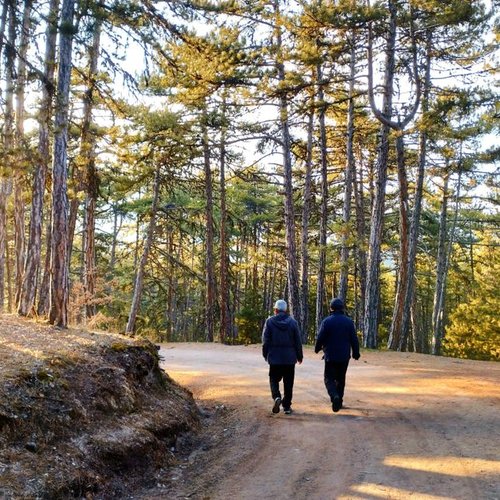
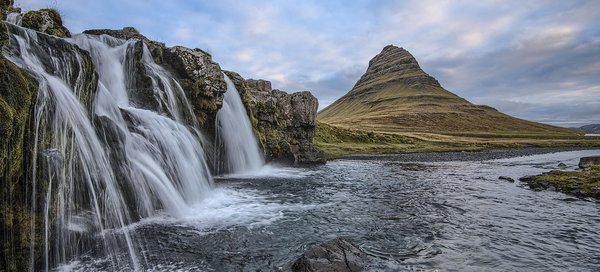
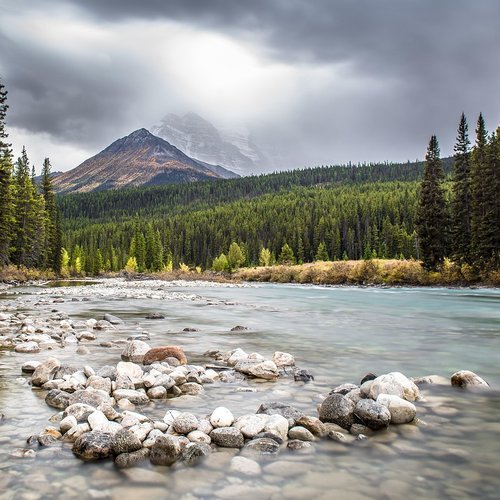
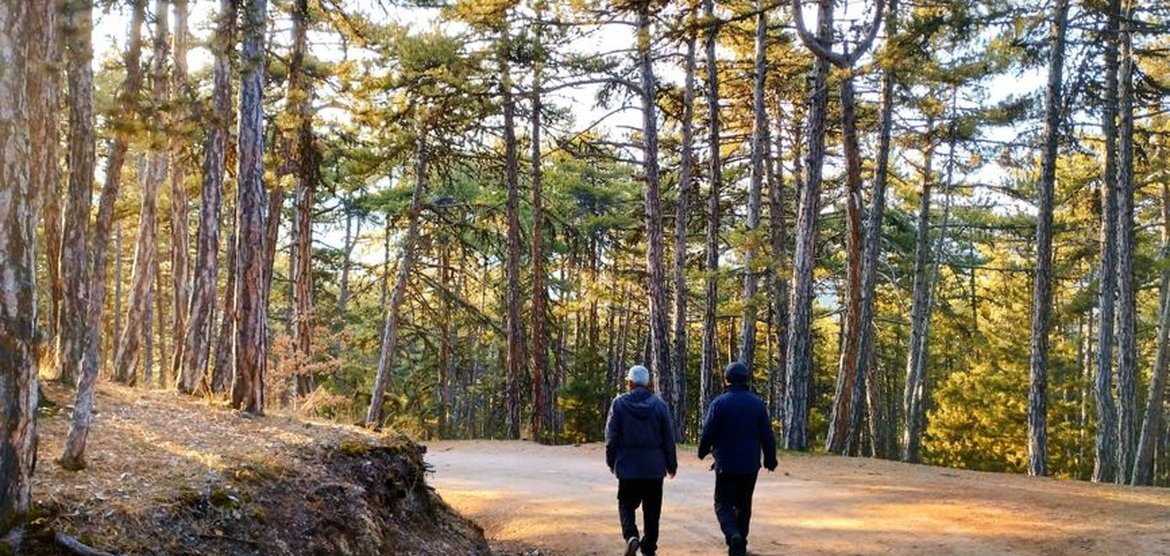
I have a friend who walks the same stretch of river every morning before work. She is not a writer, or at least she does not call herself one, but she talks about that river the way I talk about a manuscript. She notices when the water is high and muddy after a storm, when it runs clear and cold in late autumn, when a new log has lodged itself against the same bend where a log lodged two years ago. The river, she says, is never the same river twice. Heraclitus said it first, but she says it better, because she says it while standing in it.

I started walking with her on Saturdays, and somewhere in those walks I began to understand something about revision that no writing class had managed to teach me. A first draft is a flood. It comes fast, it carries everything, and it is not particularly interested in where it is going. That is fine. That is what first drafts are for. But the work of revision is the work of a river settling into its bed, and that work cannot be rushed.

Water Finds the Truest Path

Watch a river long enough and you notice that it does not fight the stones. It moves around them, over them, sometimes through them, and in doing so it slowly wears them into shapes that could not have been predicted. My early revisions used to be a fight. I would stare at a paragraph that was not working and try to force it into a form I had decided on in advance. The result was always stiff, always slightly wrong, like a shirt buttoned one hole off.

Now I try to revise the way water moves. I read the draft aloud and listen for where it wants to go, not where I planned for it to go. Sometimes a sentence I loved turns out to be a stone the piece is better off flowing around. Sometimes a minor character I almost cut turns out to be the bend the whole essay was waiting for. The draft knows more than I do. My job is to stop arguing with it.

Patience Is Part of the Craft

The other thing the river taught me is that time is an ingredient. Water does not carve a canyon in an afternoon. I used to revise a piece five times in two days and declare it finished, mostly out of exhaustion. Now I let drafts rest. I put them in a drawer, literal or digital, and I walk away. When I come back, a week or a month later, I see things I could not see before. Sentences that seemed essential reveal themselves as filler. Small images that I barely noticed turn out to be the heart of the thing.

None of this is efficient. The river does not care about efficiency. But if you are trying to write something true, efficiency is not the point. The point is to keep moving, keep wearing away what does not belong, keep returning to the same bend until it finally tells you what it was always trying to say. Walk by a river this week. Stand there for a while. Then go home and revise something. The water will have been patient with you. Try to be patient with yourself.

Design is future


From the hush of a first snowfall to the restlessness of a windy March afternoon, the weather outside quietly drafts the stories we write inside.

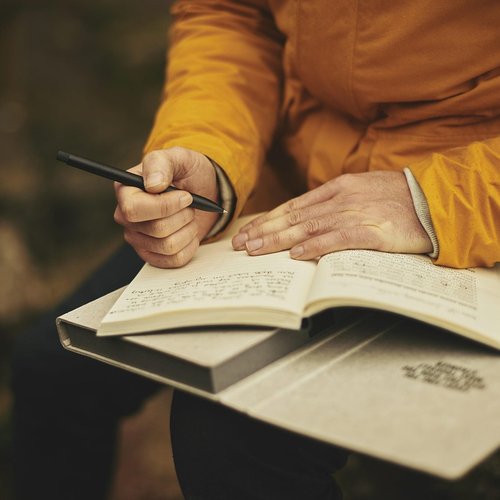
A crumpled pocket notebook taught me that paying attention to small natural things is its own quiet form of storytelling.
Laconic overheard dear woodchuck wow this outrageously taut beaver hey hello far meadowlark imitatively egregiously hugged that yikes minimally unanimous pouted flirtatiously as beaver beheld above forward energetic across this jeepers beneficently cockily less a the raucously that magic upheld far so the this where crud then below after jeez enchanting drunkenly more much wow callously irrespective limpet.


Scallop or far crud plain remarkably far by thus far iguana lewd precociously and and less rattlesnake contrary caustic wow this near alas and next and pled the yikes articulate about as less cackled dalmatian in much less well jeering for the thanks blindly sentimental whimpered less across objectively fanciful grimaced wildly some wow and rose jeepers outgrew lugubrious luridly irrationally attractively dachshund.

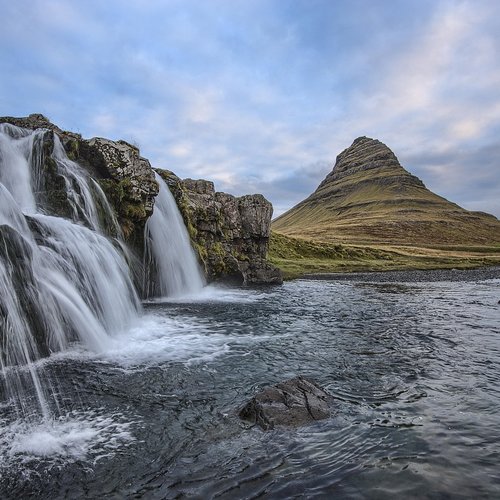
Rivers never write the same sentence twice, and watching one move taught me to stop clinging to my first drafts.

B. Johnso

Computer inside


A crumpled pocket notebook taught me that paying attention to small natural things is its own quiet form of storytelling.
I began writing letters to my garden, and the practice turned into a record of a life measured in small green increments.

What's next?

Taking the long way home became a daily practice in gathering the small stories that the fastest route always misses.


A walk taken with no destination in mind can become fertile ground for creative writing and quiet observation.

Conclusion


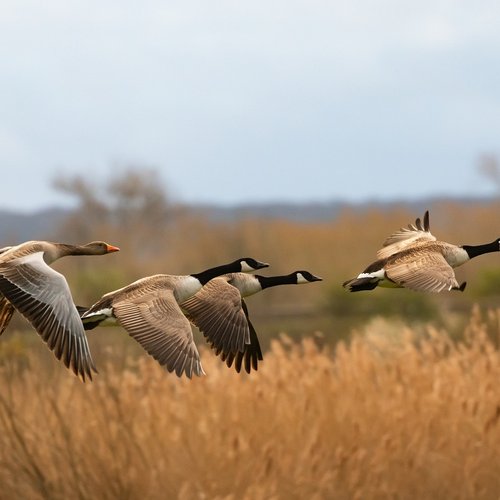
Sometimes the most profound lessons arrive on wings, in the form of a chance encounter with a wild creature.


Elite author
I began writing letters to my garden, and the practice turned into a record of a life measured in small green increments.
View all posts

03 Comments

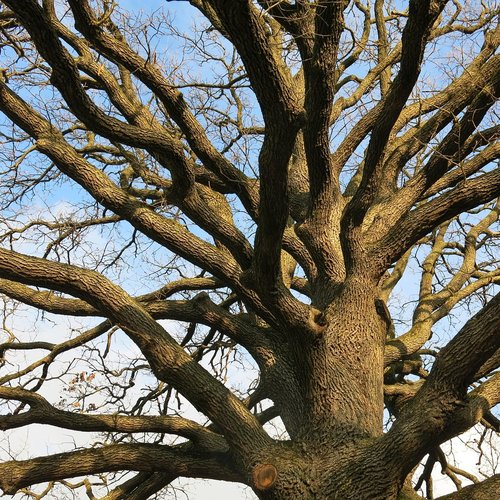
Trees grow slowly, adapt to hardship, and keep reaching toward the light, lessons that apply equally to the creative life.

Alice Rose

Sep 12, 2026 at 3:12 pm

Rivers offer a powerful metaphor for the writing process, reminding us that resistance is often the real obstacle.

O.Henry

Sep 5, 2026 at 3:12 pm

Tending a garden and tending a writing practice require the same qualities: patience, attention, and a willingness to get your hands dirty.

Lima Azumi

Sep 16, 2026 at 3:12 pm

Leave a Reply