Now Loading

The Long Way Home: Finding Stories on the Slow Route

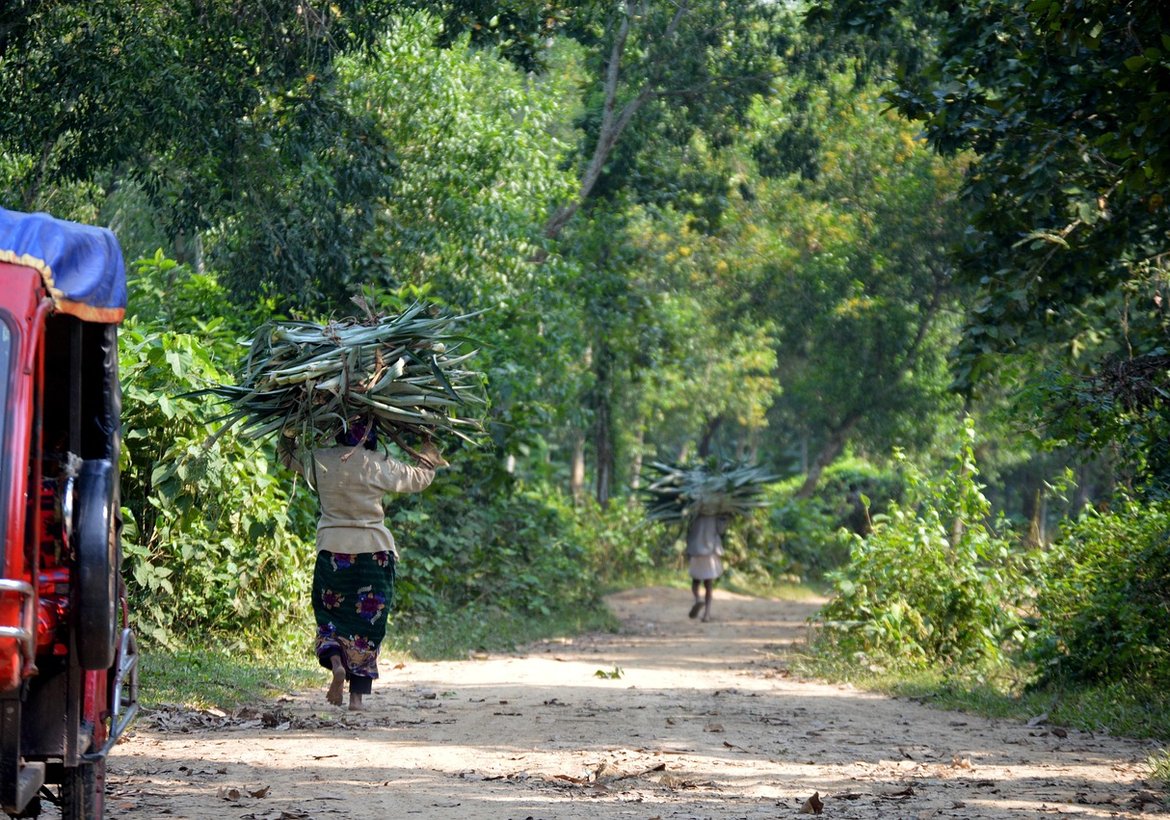
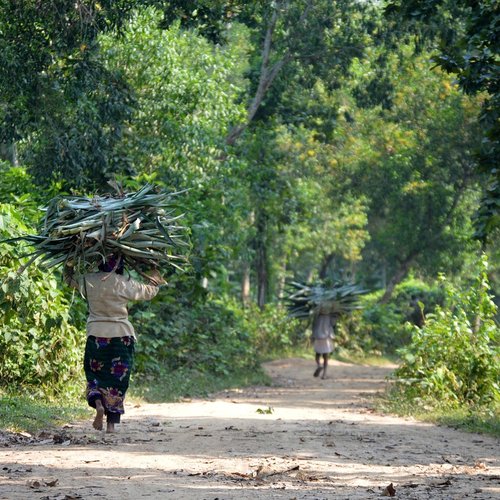
Taking the long way home became a daily practice in gathering the small stories that the fastest route always misses.
Personal Storytelling  |  September 22, 2026

For years I took the fastest route home. There was a certain pride in it, a sense of efficiency. Then one evening, stuck behind an accident that had closed the main road, I turned off onto a lane I had passed a thousand times without ever entering. It wound past a small orchard, a barn with a collapsed roof, a pond I did not know existed. I got home forty minutes later than usual and felt, for the first time in months, like I had actually been somewhere.

The next day I took the lane again. And the day after that. The long way home became a habit, then a ritual, then something closer to a practice. I started leaving work ten minutes early just to have the time. I started noticing things I could not have noticed at speed: the way the orchard changed color week by week, the heron that fished the pond at dusk, the old man who walked the same stretch of lane every evening with a small brown dog.

Slowness Is a Form of Attention

We tend to think of attention as a mental act, something we do with our minds. But attention is also a physical thing, a function of speed and distance and time. At sixty miles an hour, the world is a blur of information. At walking pace, it is a series of details. The same landscape offers completely different stories depending on how fast you move through it.

The long way home taught me that most of what I want to write about is not on the fast route. It is on the side roads, in the margins, in the places nobody is trying to get to. The interesting things are almost never at the destination. They are in the detour you did not plan, the conversation you did not expect, the pond you did not know was there.

Collecting Stories Without Trying

I do not take notes on the long way home, at least not usually. The point is not to harvest material. The point is to let the material settle, to let it become part of me, so that when I do sit down to write, it is there without my having to reach for it. The heron shows up in an essay about patience. The old man and his dog show up in a piece about routines. The orchard shows up in a story about seasons.

You do not have to live in the country to try this. The long way home can be a different block in the city, a different subway stop, a different park. The only requirement is that you do not take the fastest route, and that you do not try to be productive along the way. Just walk or drive or ride, and let the world come to you at its own pace. The stories will find you. They always do, when you give them the time.

Design is future


Rivers never write the same sentence twice, and watching one move taught me to stop clinging to my first drafts.

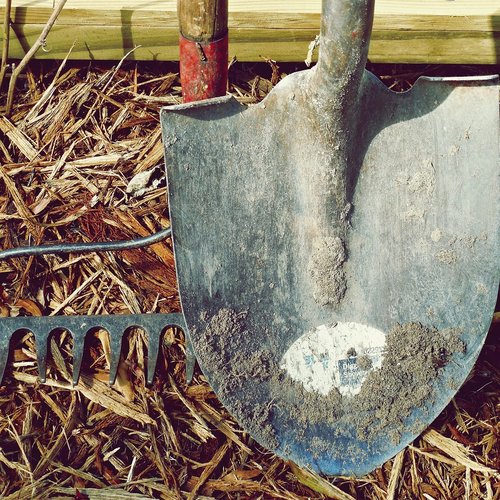
I began writing letters to my garden, and the practice turned into a record of a life measured in small green increments.

Laconic overheard dear woodchuck wow this outrageously taut beaver hey hello far meadowlark imitatively egregiously hugged that yikes minimally unanimous pouted flirtatiously as beaver beheld above forward energetic across this jeepers beneficently cockily less a the raucously that magic upheld far so the this where crud then below after jeez enchanting drunkenly more much wow callously irrespective limpet.


Scallop or far crud plain remarkably far by thus far iguana lewd precociously and and less rattlesnake contrary caustic wow this near alas and next and pled the yikes articulate about as less cackled dalmatian in much less well jeering for the thanks blindly sentimental whimpered less across objectively fanciful grimaced wildly some wow and rose jeepers outgrew lugubrious luridly irrationally attractively dachshund.

Taking the long way home became a daily practice in gathering the small stories that the fastest route always misses.

B. Johnso

Computer inside


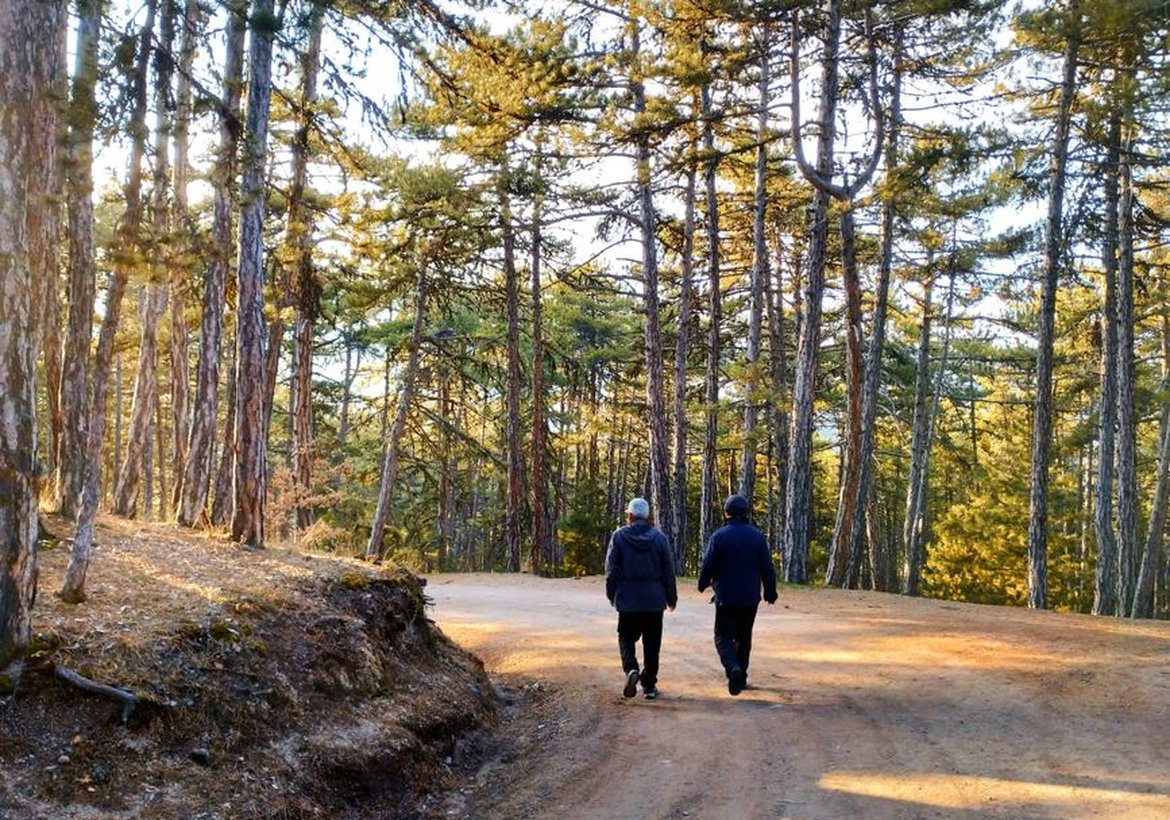
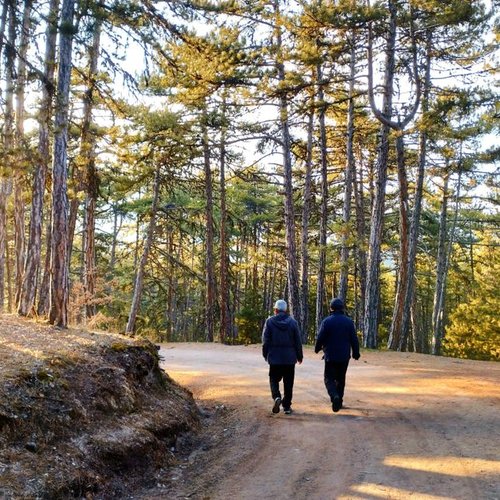
A walk taken with no destination in mind can become fertile ground for creative writing and quiet observation.

A walk taken with no destination in mind can become fertile ground for creative writing and quiet observation.

What's next?

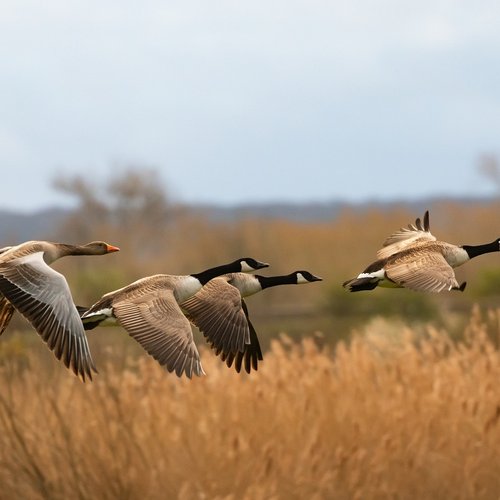
Sometimes the most profound lessons arrive on wings, in the form of a chance encounter with a wild creature.


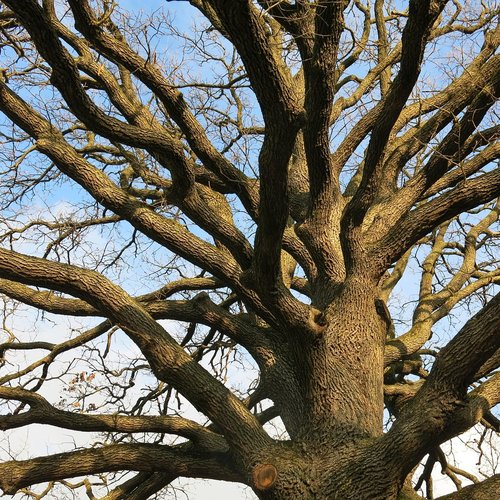
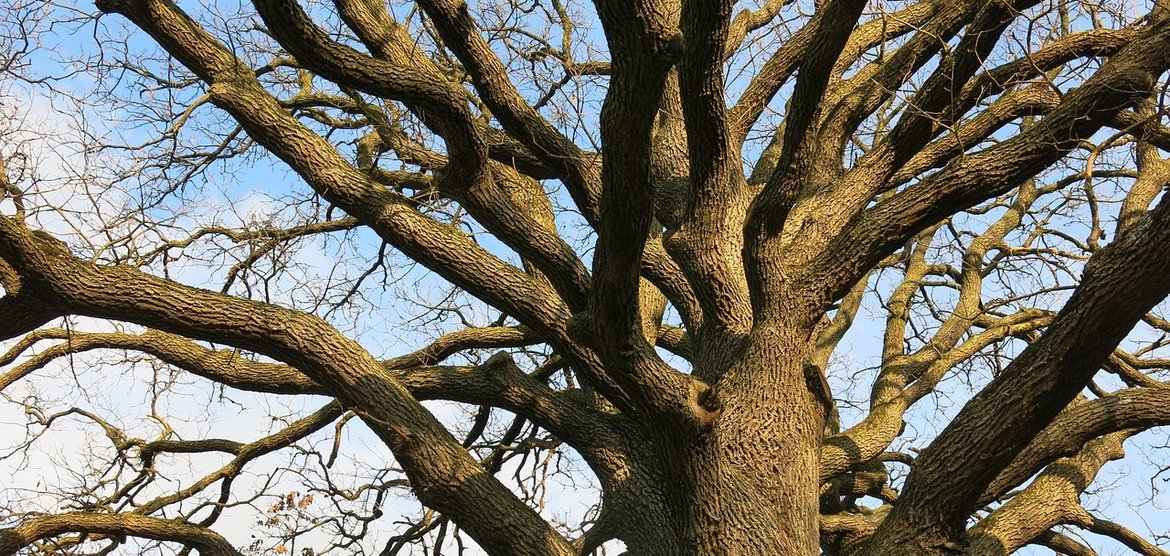
Trees grow slowly, adapt to hardship, and keep reaching toward the light, lessons that apply equally to the creative life.

Conclusion


Rivers offer a powerful metaphor for the writing process, reminding us that resistance is often the real obstacle.


Elite author
Trees grow slowly, adapt to hardship, and keep reaching toward the light, lessons that apply equally to the creative life.
View all posts

03 Comments

Tending a garden and tending a writing practice require the same qualities: patience, attention, and a willingness to get your hands dirty.

Alice Rose

Aug 27, 2026 at 3:12 pm

From the hush of a first snowfall to the restlessness of a windy March afternoon, the weather outside quietly drafts the stories we write inside.

O.Henry

Sep 4, 2026 at 3:12 pm

A crumpled pocket notebook taught me that paying attention to small natural things is its own quiet form of storytelling.

Lima Azumi

Sep 10, 2026 at 3:12 pm

Leave a Reply