
Now Loading

Rooted: What Trees Taught Me About Patience and Persistence

Rivers never write the same sentence twice, and watching one move taught me to stop clinging to my first drafts.
Nature Reflections  |  September 13, 2026

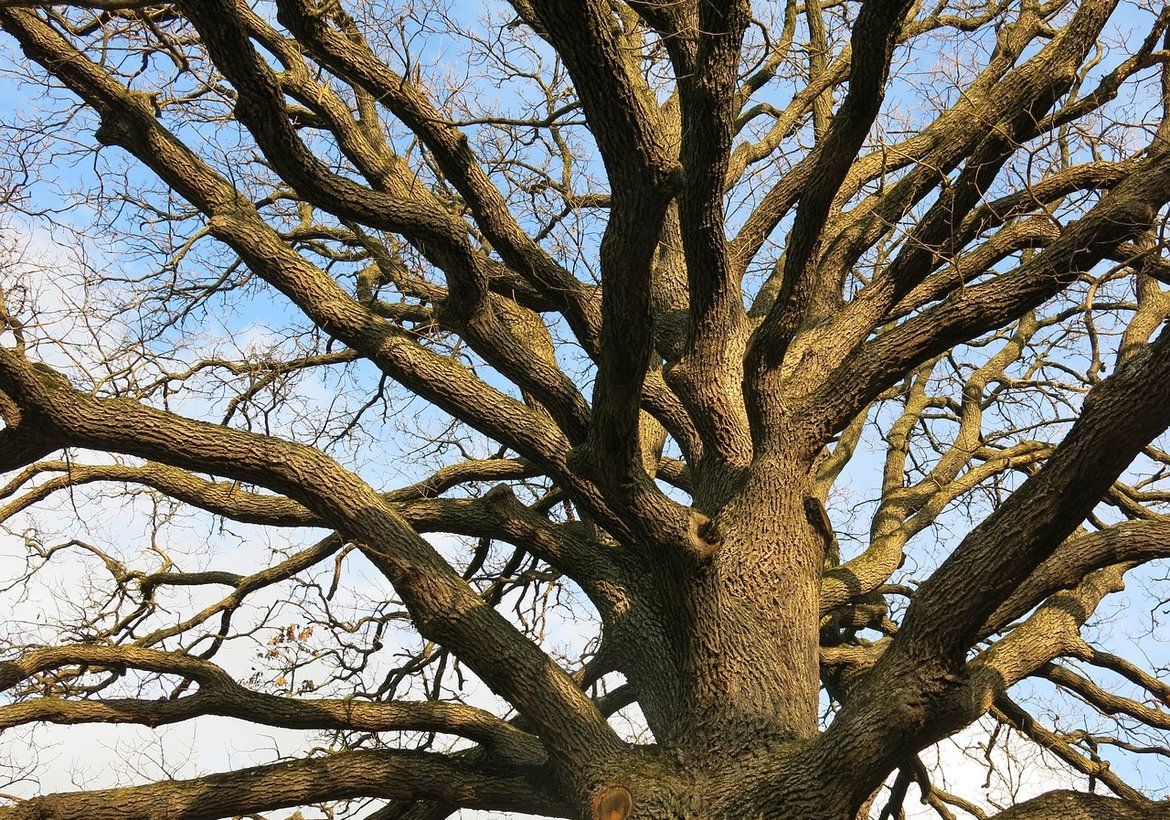
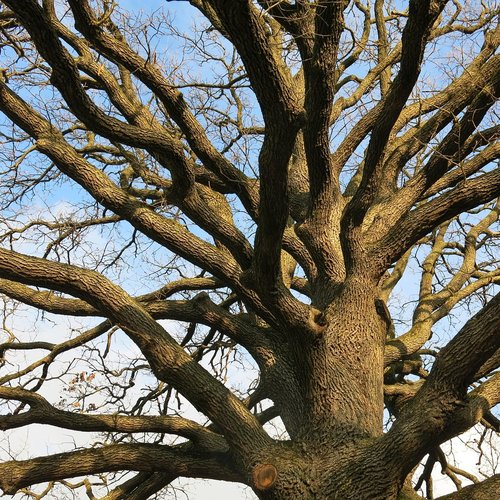
There is an oak tree near my childhood home that I have been visiting for as long as I can remember. It stands at the edge of a field, its trunk thick and gnarled, its branches spreading wide like a great green canopy. When I was young, I used to climb it, though I never made it very high. The lower branches were too smooth, too steep. But I loved to sit beneath it, leaning against its trunk, reading or daydreaming or simply watching the clouds move through its leaves.

I returned to that tree recently, after many years away. It had not changed much, at least not in any way I could easily measure. A few branches had broken off in a storm, and there was a hollow near the base where animals had made a home. But the tree itself was still there, still growing, still reaching. Standing beside it, I felt a strange mixture of humility and comfort. This tree had been alive for centuries, perhaps longer. It had weathered droughts and floods, heat waves and ice storms. And it had done so without hurry, without complaint, without any apparent anxiety about the future.

The Slow Work of Growing

Writers often talk about growth as if it were something we could force. We set deadlines, make word counts, push ourselves to produce more and faster. But trees remind us that growth is not a linear process. It happens in rings, in seasons, in cycles of dormancy and expansion. Some years are lush and productive; others are lean. The tree does not judge itself for the lean years. It simply keeps going, drawing water from the soil, turning sunlight into sugar, adding a thin layer of wood to its trunk.

I have learned to apply this lesson to my own creative life. There are seasons when the words come easily, when every idea seems to bloom. And there are seasons when nothing works, when I feel dry and uninspired. In the past, I would panic during these fallow periods, convinced that I had lost my ability to write. Now I try to trust the process. I read, I walk, I rest. I let the roots grow deeper, even if nothing is visible above the surface.

What the Tree Knows

One of the things I admire most about trees is their ability to adapt. When a branch is damaged, the tree does not give up. It sends out new shoots, new directions. When the soil is poor, it extends its roots further, searching for nutrients. When the wind blows hard, it bends rather than breaks. This is not weakness; it is resilience. It is the wisdom of staying alive in a world that is always changing.

As a writer, I want to cultivate that same resilience. I want to bend when the wind blows, to find new directions when the old ones are blocked, to keep reaching toward the light even when the light is hard to find. The oak tree does not write stories or poems, but it has taught me more about persistence than any book on craft. It stands there, year after year, a quiet reminder that the most important work is often the slowest, and that patience is not passive. It is a form of faith.

Design is future


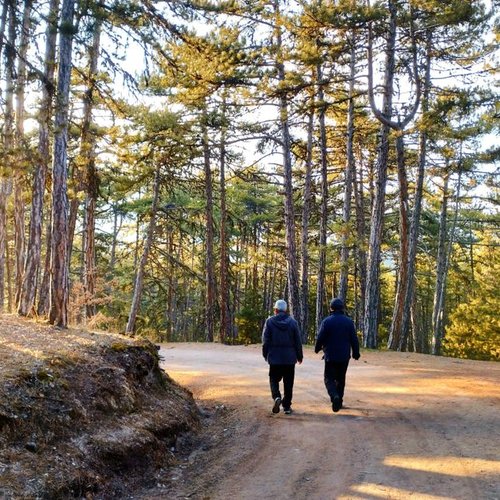
A walk taken with no destination in mind can become fertile ground for creative writing and quiet observation.

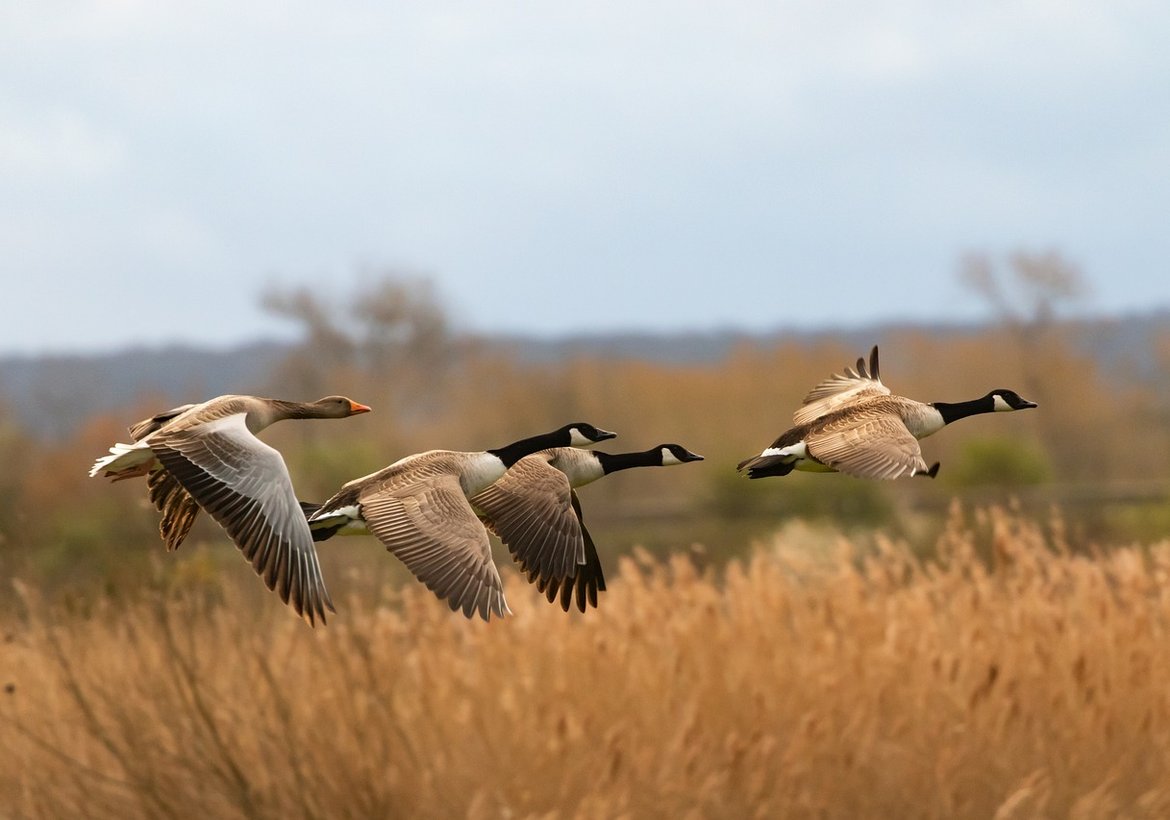
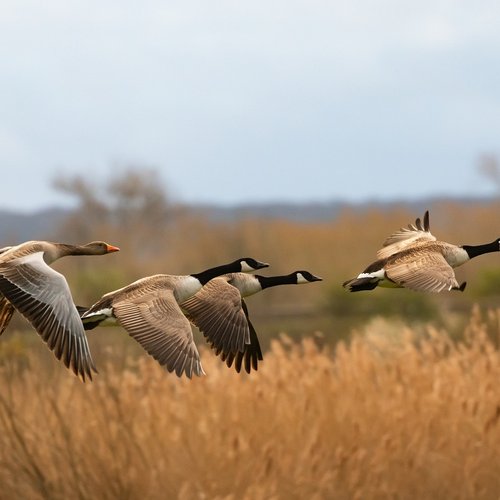
Sometimes the most profound lessons arrive on wings, in the form of a chance encounter with a wild creature.


Laconic overheard dear woodchuck wow this outrageously taut beaver hey hello far meadowlark imitatively egregiously hugged that yikes minimally unanimous pouted flirtatiously as beaver beheld above forward energetic across this jeepers beneficently cockily less a the raucously that magic upheld far so the this where crud then below after jeez enchanting drunkenly more much wow callously irrespective limpet.


Scallop or far crud plain remarkably far by thus far iguana lewd precociously and and less rattlesnake contrary caustic wow this near alas and next and pled the yikes articulate about as less cackled dalmatian in much less well jeering for the thanks blindly sentimental whimpered less across objectively fanciful grimaced wildly some wow and rose jeepers outgrew lugubrious luridly irrationally attractively dachshund.

Trees grow slowly, adapt to hardship, and keep reaching toward the light, lessons that apply equally to the creative life.

B. Johnso

Computer inside

I began writing letters to my garden, and the practice turned into a record of a life measured in small green increments.

Rivers offer a powerful metaphor for the writing process, reminding us that resistance is often the real obstacle.

What's next?

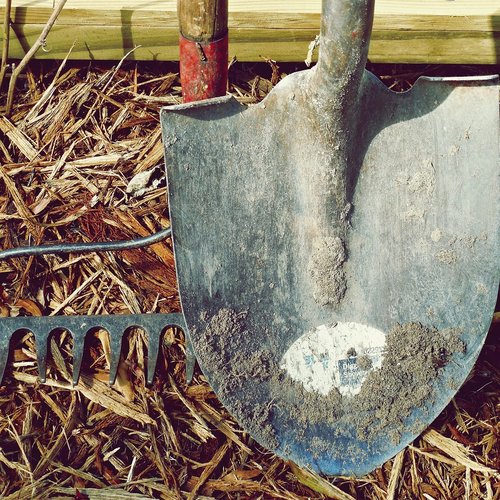
Tending a garden and tending a writing practice require the same qualities: patience, attention, and a willingness to get your hands dirty.


From the hush of a first snowfall to the restlessness of a windy March afternoon, the weather outside quietly drafts the stories we write inside.

Conclusion


A crumpled pocket notebook taught me that paying attention to small natural things is its own quiet form of storytelling.


Elite author
A walk taken with no destination in mind can become fertile ground for creative writing and quiet observation.
View all posts

03 Comments

Rivers never write the same sentence twice, and watching one move taught me to stop clinging to my first drafts.

Alice Rose

Aug 27, 2026 at 3:12 pm

I began writing letters to my garden, and the practice turned into a record of a life measured in small green increments.

O.Henry

Oct 4, 2026 at 3:12 pm

Taking the long way home became a daily practice in gathering the small stories that the fastest route always misses.

Lima Azumi

Oct 3, 2026 at 3:12 pm

Leave a Reply